Engineered to support heavy logistics corridors and e-bus depots in Monterrey, providing maximum uptime under extreme operational conditions.
As the industrial capital of Northern Mexico and the epicenter of the global "nearshoring" trend, the Monterrey metropolitan area (including strategic hubs like Apodaca, Santa Catarina, Escobedo, and Guadalupe) is witnessing an unprecedented transition toward commercial vehicle electrification. Major logistics corridors feeding into the United States via Laredo require robust, high-availability fleet charging infrastructures capable of handling heavy-duty Class 8 trucks, last-mile delivery vans, and corporate transport fleets.
Operating fleet EV charging systems in Nuevo León presents unique local challenges. The regional electricity grid, managed by CFE (Comisión Federal de Electricidad), requires structured medium-voltage connections. Furthermore, the extreme summer heat of Monterrey, frequently exceeding 40°C, demands outdoor electrical equipment configured with advanced thermal management, high IP-rated dust protection, and dynamic load-balancing capacities. Global manufacturers must supply solutions tailored to these precise environment conditions.
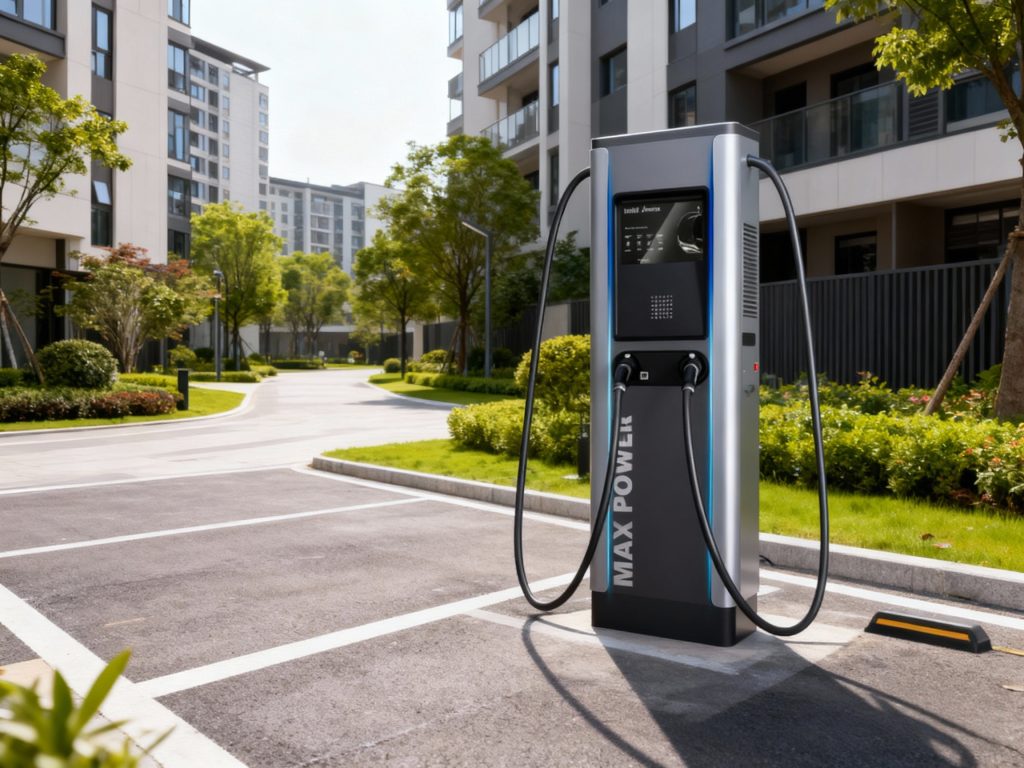
Deploying fleet charging solutions globally requires addressing grid capacity limitations, equipment lifecycle costs, and seamless hardware-to-software interoperability.
Heavy-duty transport networks demand fast charging capabilities exceeding 1MW. Transitioning to MCS standard interfaces enables class 8 electric trucks to charge during mandatory driver rest breaks, maintaining logisitics efficiency across borders.
Avoid grid overloads by dynamically distributing available power across active terminals. Our smart load management algorithms interface directly with fleet management telemetry to prioritize vehicles based on departure times.
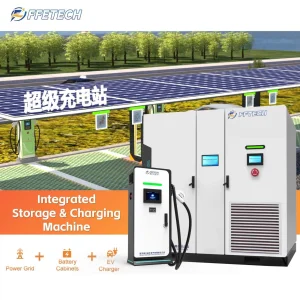
Co-locating photovoltaic (PV) generation and Battery Energy Storage Systems (BESS) provides a reliable buffer for high-power DC fast-charging terminals, ensuring operational resilience and reducing peak power demand fees.
Mitigate grid connection delays and manage high electricity rates in Monterrey using local energy storage and solar integration.
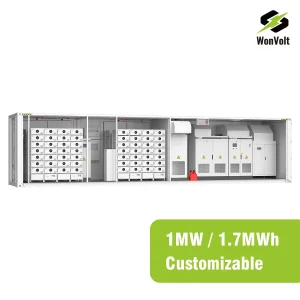
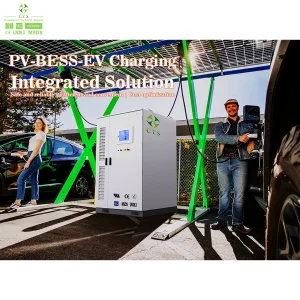
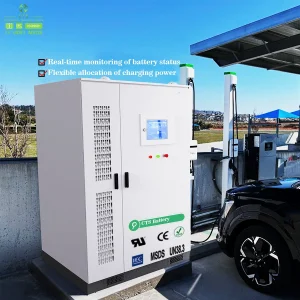
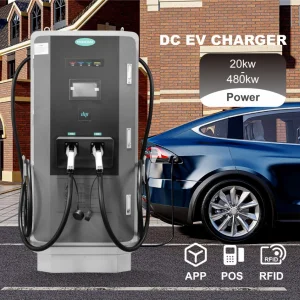
Customized engineering configurations designed for Nuevo León’s distinct commercial operations.
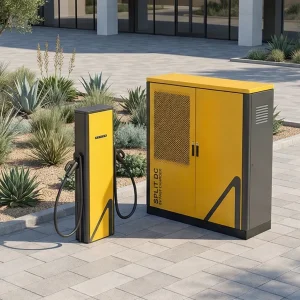
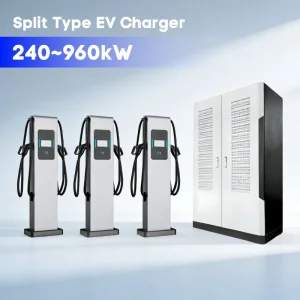
Positioned along the main highways connecting Monterrey with the US border (e.g., MEX-85). Stations utilize heavy-duty megawatt charging systems or high-power 360kW-720kw split-type dispensers to service heavy freight vehicles in rapid rotation.
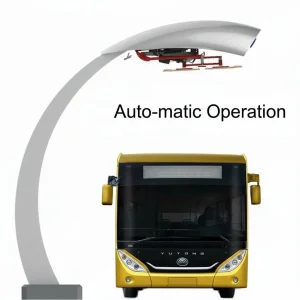
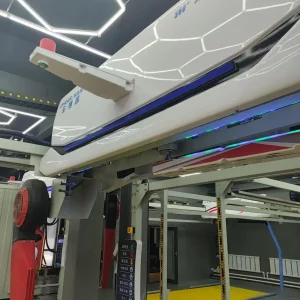
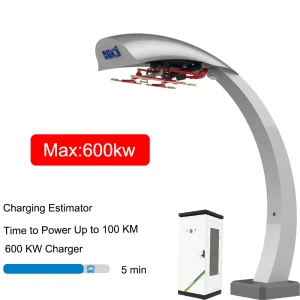
To match Monterrey's municipal push for electrified mass transit (Transmetro & Metrorrey feeder lines), our high-power pantograph charging systems provide rapid 300kW-600kW energy replenishment at major terminal stations.
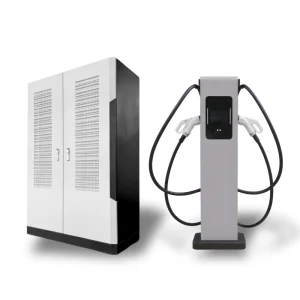
Based in high-density industrial parks (e.g., Apodaca Industrial Park, PIIT). Our multi-terminal split systems support simultaneous charging of light-to-medium-duty delivery fleets during overnight shifts using advanced load-sharing rules.
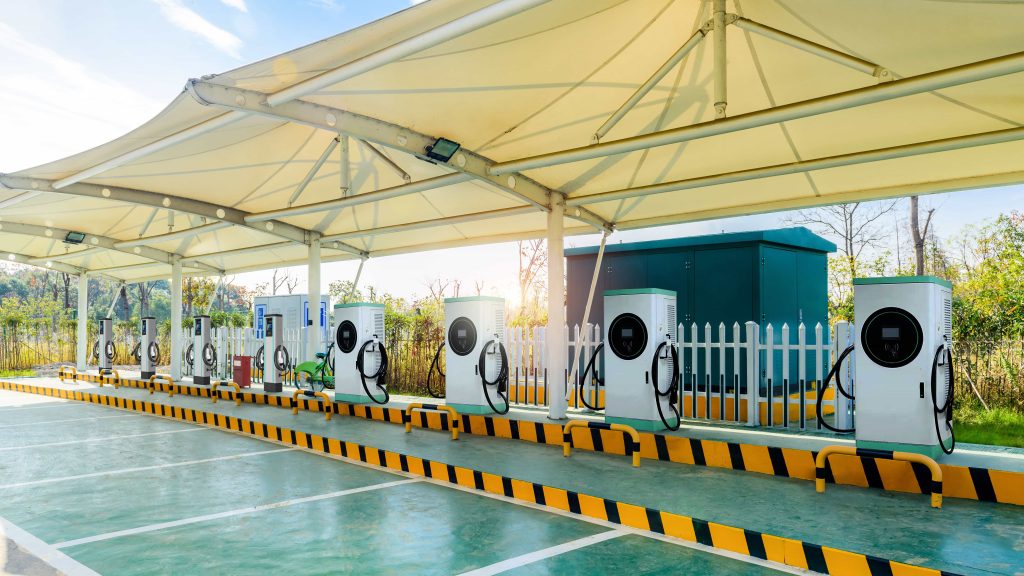
Deploying fleet charging equipment in Mexico requires meeting stringent safety and utility guidelines. Equipment must comply with NOM-001-SEDE (the Mexican Official Standard for Electrical Installations) and require UL 2202 and UL 2594 certifications for commercial-grade fast charging hardware.
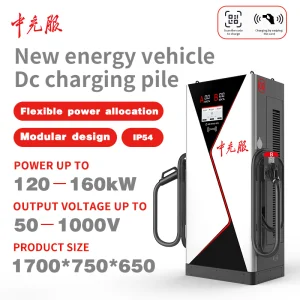
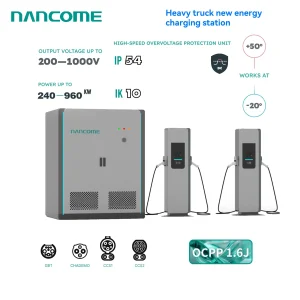
Our products feature dual-socket or modular split configurations that integrate seamlessly with local medium-voltage utility systems. We support communication protocols such as OCPP 1.6J and 2.0.1 (JSON) to interface with international fleet telematics platforms, allowing remote diagnostics, localized invoicing, and power management. Designed to operate safely under Monterrey's environmental challenges, our enclosures feature IP55 and IP65 dust and moisture protection ratings, ensuring durability against industrial dust and seasonal rainfall.
Anticipating energy transition needs for the next decade of transport logistics in North America.
Integrating liquid-cooling technologies inside cables and power cabinets allows continuous power outputs of up to 600kW per terminal without overheating, even in high ambient temperatures.
Developing Vehicle-to-Grid (V2G) systems to allow fleet operators to supply power back to industrial parks during critical peak demand periods, generating a secondary revenue source.
Embedded sensors track voltage fluctuations, temperatures, and component aging in real time, alerting operations teams before critical charging failures interrupt schedules.
A global technology partner delivering end-to-end commercial EV charging and power storage systems.
Versatile, high-uptime charging systems designed for municipal fleets, education campuses, and private transport operations.

Common inquiries from logistics providers and corporate operators in Monterrey and Nuevo León.
Most commercial vehicles deployed in Mexico use the North American standard CCS Type 1 (SAE J1772 Combo) or Type 2 (for European buses/trucks). We offer multi-standard options (CCS1, CCS2, and GBT) to ensure compatibility with diverse fleets.
Temperatures exceeding 40°C can cause thermal derating in standard air-cooled chargers. We configure our heavy-duty systems with liquid-cooling loop technologies and high-efficiency heat exchangers to maintain full power output up to 50°C ambient temperatures.
Deploying high-power depots requires a medium-voltage connection (typically 13.8kV or 34.5kV) from CFE. Our systems are equipped with industrial-grade transformers, harmonics filters, and smart grid coordination interfaces to simplify compliance with CFE's Grid Code (Código de Red).
It monitors real-time site power and shifts energy allocation away from fully-charged vehicles toward those requiring immediate capacity. This helps prevent exceeding the contracted maximum demand limit with CFE, reducing peak demand surcharges.
While not strictly mandatory, integrating a BESS (like our 1MW/2MWh system) is highly recommended for sites with grid restrictions. It stores energy during low-tariff hours and discharges during peak hours, protecting the station from grid outages.
All charging terminals are manufactured to meet a 10-year operational life cycle. We provide a standard 2-year warranty on all structural parts, with options for extended service level agreements (SLA) covering preventive maintenance and parts replacement.
Request customized architectural blueprints, grid compatibility analysis, and hardware quotes for your logistics sites in Monterrey, Escobedo, or Apodaca.
Send Inquiry Now Orange Energy