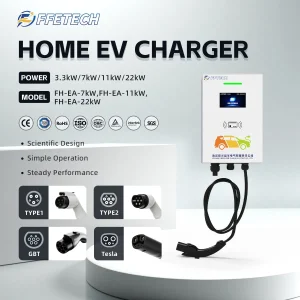
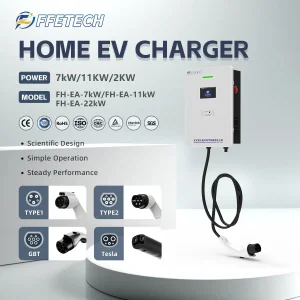
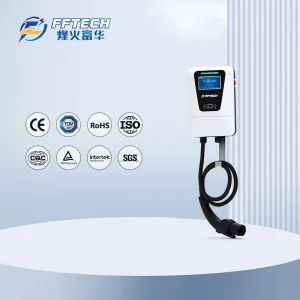
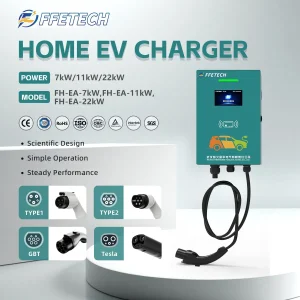
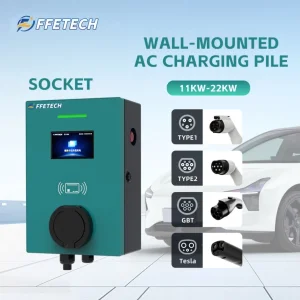
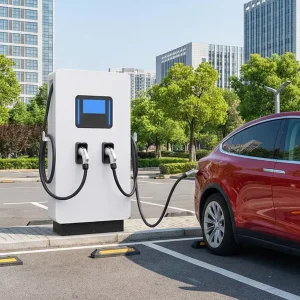
Mali, a nation at the heart of West Africa, is currently navigating a significant energy transition. As the global shift toward Electric Vehicles (EVs) accelerates, the Mali market presents a unique blend of opportunities and infrastructural challenges. The demand for Residential EV Charging Solutions is no longer a futuristic concept but a burgeoning necessity for high-income urban residential areas in Bamako and the surrounding districts.
One of the primary drivers of this growth is the increasing volatility of fossil fuel prices combined with Mali's vast potential for solar energy. Residential users are looking for ways to decouple their mobility from traditional fuel supply chains. However, the local electrical grid often faces stability issues, necessitating chargers that are not only efficient but also resilient to voltage fluctuations—a hallmark of Shenzhen Orange Energy's engineering philosophy.
As a premier manufacturer, Shenzhen Orange Energy Co., Ltd. serves as a bridge between high-tech manufacturing and the specific needs of the Mali market. We understand that sourcing EVSE (Electric Vehicle Supply Equipment) for Mali requires more than just a product; it requires a robust industrial solution that accounts for:
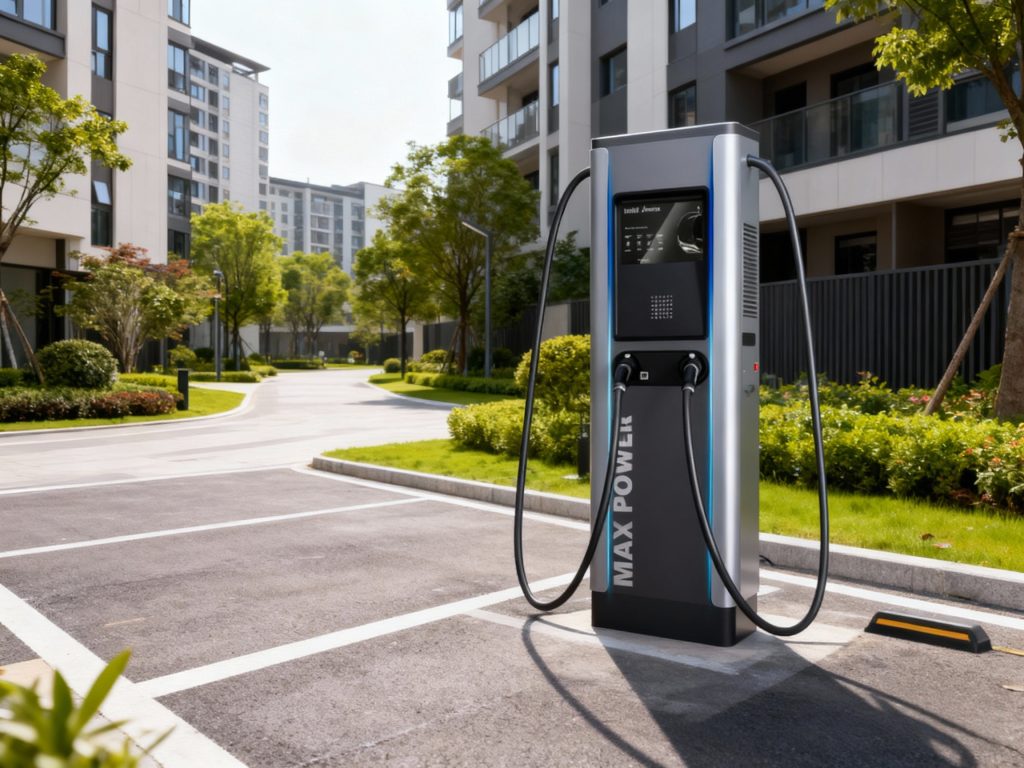
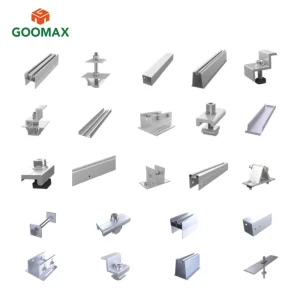
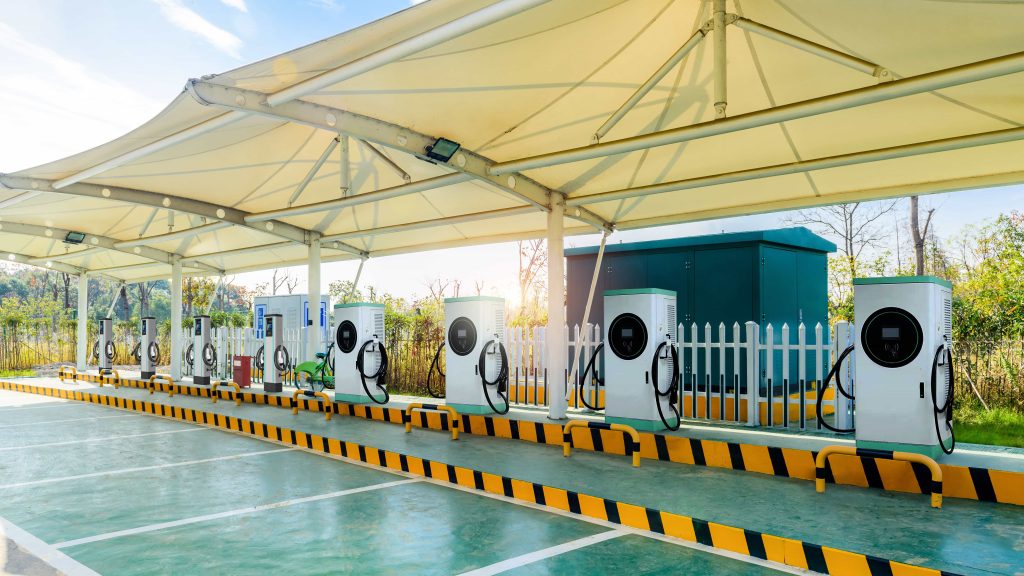
For the Mali market, the most viable technical roadmap involves Solar-Integrated Residential Charging. Our "Premium Solar Carport Systems" are specifically designed to turn Mali's abundant sunlight into clean mileage. This decentralized approach reduces the load on the EDM (Énergie du Mali) grid and provides homeowners with energy independence.
The integration of smart energy management allows for "Load Balancing," where the charger communicates with the home's energy consumption to prioritize household appliances during peak times while charging the EV during periods of high solar production. This intelligent ecosystem is essential for Mali's sustainable development goals.
Operating as an OEM/ODM factory, Shenzhen Orange Energy ensures that all exported equipment meets the rigorous safety standards required for the African continent. Our products are CE, TUV, and UL certified, which serves as a baseline for reliability. In Mali, we work with local installation partners to ensure that our systems comply with the standards set by the ANADEB (Agence Nationale de Développement des Biocarburants and Renewables).
Reliability is built into our hardware through the use of high-grade polycarbonate housings and stainless steel internal components, designed to resist the corrosive effects of harmattan dust and intense UV radiation. Our commitment to EEAT (Experience, Expertise, Authoritativeness, and Trustworthiness) is reflected in our 24/7 technical support and cloud-based monitoring systems that allow for remote diagnostics even in the remotest parts of the Mali region.
 Orange Energy