Engineered for high thermal tolerance and off-grid solar compatibility, customized specifically for Namibia's residential architecture.

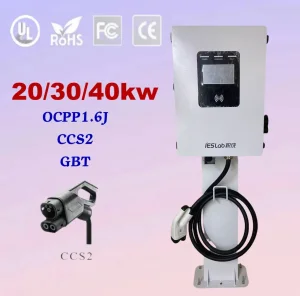
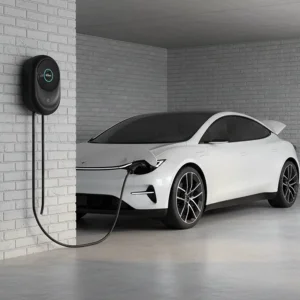
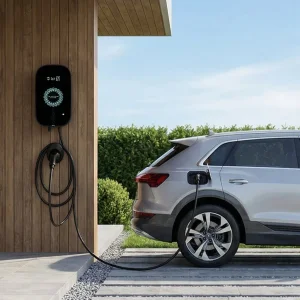
Namibia is currently positioned at a unique intersection of energy transition dynamics. With one of the highest solar irradiance profiles globally—averaging over 3,000 hours of sunshine per year—the nation has a natural advantage in localized photovoltaic power generation. However, dependency on imported energy through the Southern African Power Pool (SAPP) combined with domestic distribution updates in urbanized hubs like Windhoek, Swakopmund, and Walvis Bay requires highly intelligent local energy management.
As electric vehicle ownership rises among residential property owners and new luxury residential estates, integrating EV chargers directly with localized solar PV systems has transitioned from an eco-friendly option to an absolute economic necessity. Residential developers and municipal engineers are seeking EV charging solutions that mitigate load spikes while ensuring zero-carbon vehicle propulsion.
Shenzhen Orange Energy Co., Ltd. addresses these exact technical requirements. By fabricating systems that communicate natively with solar inverters and home energy storage systems, our solutions stabilize the grid while minimizing domestic energy tariffs. Our smart dynamic load shedding prevents breakers from tripping during peak usage windows, bypassing the high costs associated with grid upgrading.
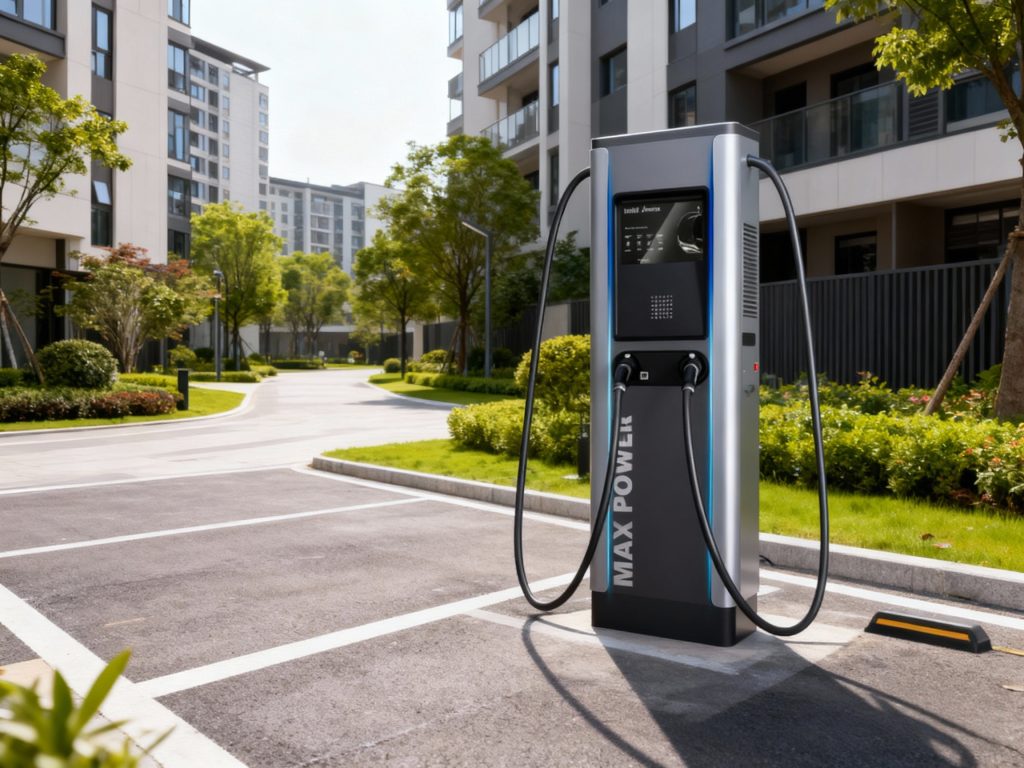
For major real estate development conglomerates, electrical EPC contractors, and public sector developers in Southern Africa, procuring electric vehicle supply equipment (EVSE) demands compliance with stringent safety metrics. Chargers deployed within the Namibian residential market must be fully compliant with IEC 61851-1 standards and certified under localized requirements governed by the Electricity Control Board (ECB) and SABS frameworks.
Environmental durability is another critical procurement dimension. Standard chargers designed for mild temperate climates fail prematurely in Namibia due to high ambient temperatures and windborne desert dust. Our hardware engineering utilizes industrial-grade heat management, eliminating mechanical fans in favor of advanced convection cooling to seal out dust and moisture completely.
Furthermore, integration with commercial software backends is vital. Property management associations require individual billing models, remote maintenance capability, and dynamic access control. Implementing OCPP (Open Charge Point Protocol) 1.6J or 2.0.1 allows property managers to effortlessly integrate chargers with global cellular billing networks or local smart-home control centers.
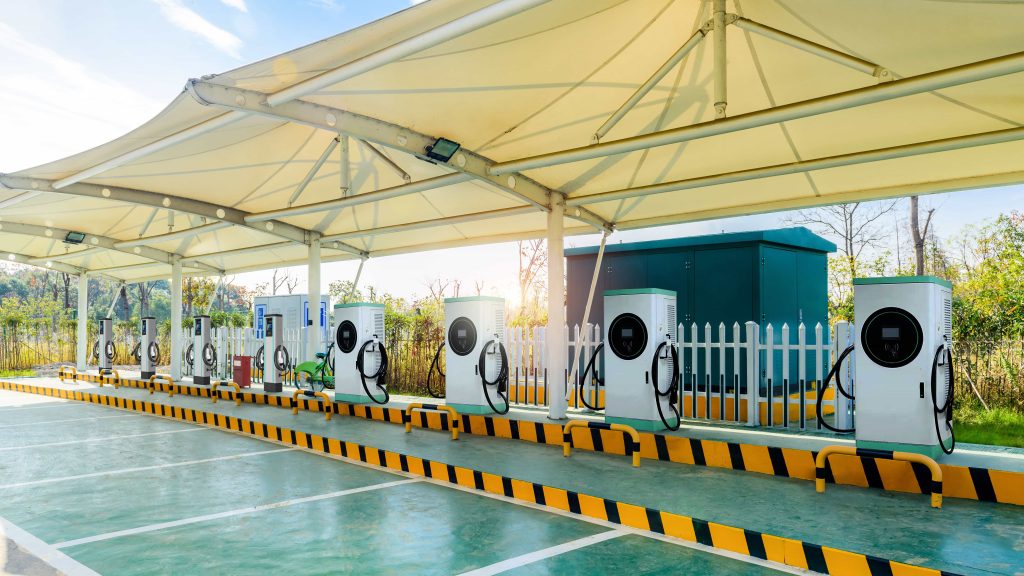
From single-family off-grid homes to multi-unit urban high-rises, we build scalable systems designed for peak efficiency.
Maximize the potential of the Namibian sun. Our chargers coordinate with solar array management systems, tracking excess solar generation and directing that energy straight to the vehicle battery rather than feeding it back to the grid for minimal utility credit.
Our charging networks are equipped with RFID validation, mobile application authentication, and integrated energy meters. Property managers can accurately track and bill individual tenants for exact energy consumption metrics, simplifying operations.
Avoid expensive substation upgrades. Our active load-balancing software monitors real-time building demand, dynamically throttling output to connected vehicles when residential power demand surges (e.g., cooking, HVAC, lighting) and restoring full charging speeds at night.
Critical engineering and installation answers regarding the implementation of EVSE solutions locally.
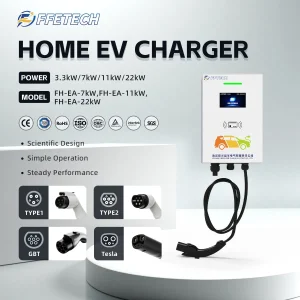
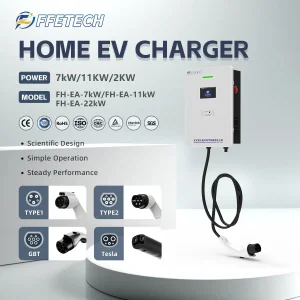
Engineered for high adaptability, our broad portfolio supports private residences, solar-integrated carports, and fast commercial networks.
 Orange Energy