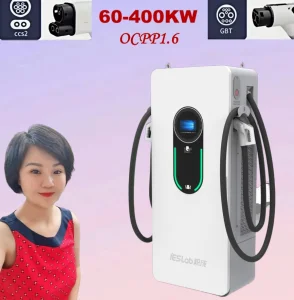
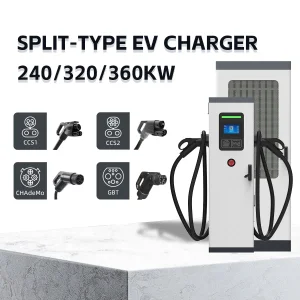
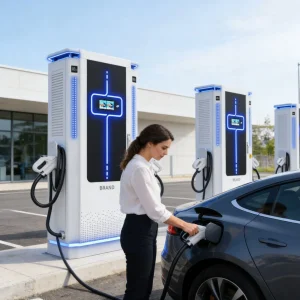
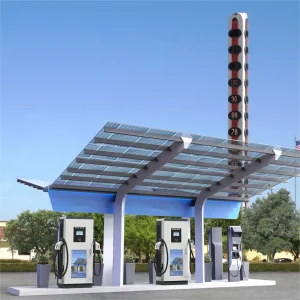
Deploy high-performance, networked AC & DC intelligent chargers built to scale and operate flawlessly under demanding parameters worldwide.
Shenzhen Orange Energy Co., Ltd. is a forward-thinking technology company specializing in electric vehicle charging infrastructure and smart energy solutions. Based in Shenzhen, China's Silicon Valley, the company focuses on the development, manufacturing, and global deployment of advanced EV charging systems equipped with state-of-the-art remote monitoring.
By designing platforms that seamlessly merge high-capacity hardware with intelligent software, Orange Energy supports a wide spectrum of charging scenarios. As a certified leader, we provide complete transparency, dynamic hardware interfaces, and network capabilities configured for municipal grids, logistics systems, and regional retail locations. Our products comply with stringent OCPP 1.6J/2.0.1 criteria, granting operators complete control over their distributed power networks.
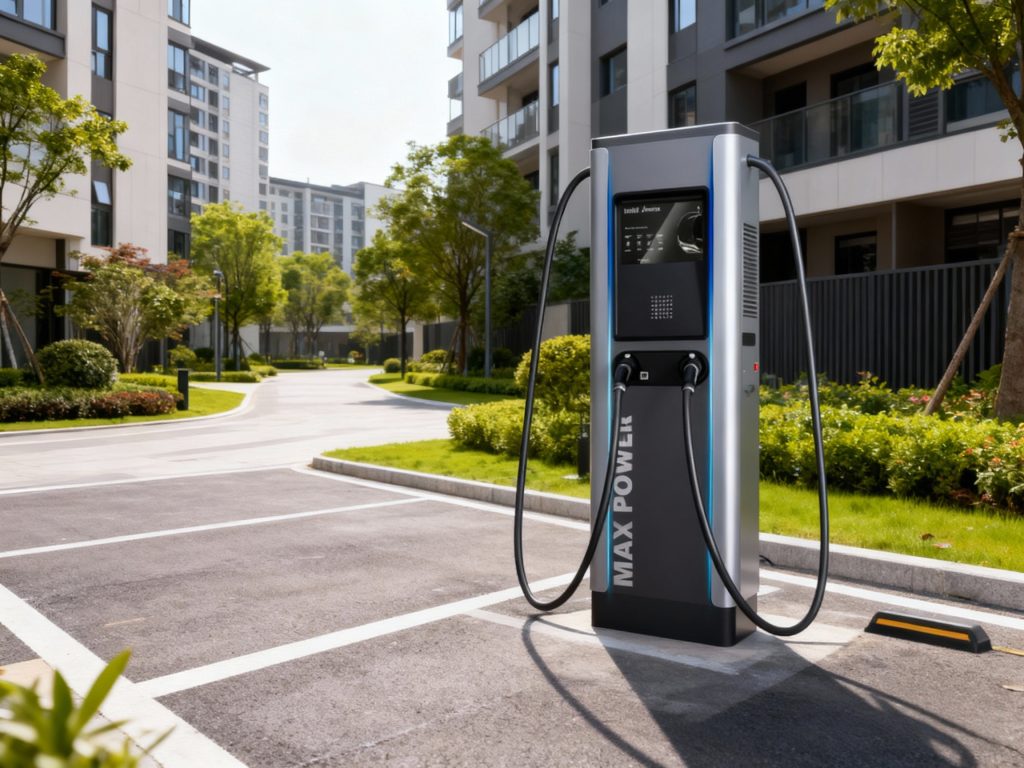
In the rapidly changing EV landscape, standalone charging piles represent a significant operational risk. Continuous uptime, preventative health diagnostics, and smart grid optimization are no longer optional. As a premier Chinese manufacturer, Orange Energy incorporates integrated telemetry systems, secure IoT edge gates, and cloud interface options directly into our product lineups.
Continuous monitoring of internal temperatures, voltage fluctuations, connection integrity, and grounding alerts before a localized failure occurs, lowering maintenance costs by up to 45%.
Seamless native software handshakes enable integration with any charging management platform, allowing operators to track billing, user access, and dynamic energy distribution remotely.
Protect regional electrical grids through intelligent local distribution metrics, shifting charging currents based on real-time grid constraints and peak-hour rate strategies.
Sourcing charging infrastructure from leading China manufacturers such as Shenzhen Orange Energy provides critical logistical, technical, and pricing advantages. With our factory located in Shenzhen, we utilize a highly efficient electronics and power supply manufacturing ecosystem. This ensures that every high-power component operates reliably over long operational lifecycles.
In Shenzhen, the distance from raw raw material sourcing to final PCB assembly is minimal. We procure premium power modules, silicon-controlled rectifiers (SCR), copper conductors, and display panels within a narrow geographic radius. This structural advantage reduces lead times and insulates global buyers from volatile component supply lines.
Orange Energy products are engineered to meet strict international standards, ensuring seamless deployment in any territory.
Our factory carries out extensive environmental stress screenings on all commercial DC chargers. This includes salt-fog exposure testing for maritime environments, thermal stress profiling in environmental chambers ranging from -30°C to +55°C, and rigorous simulated road-transit vibration testing.
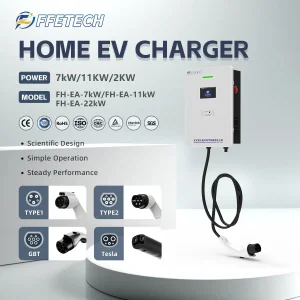
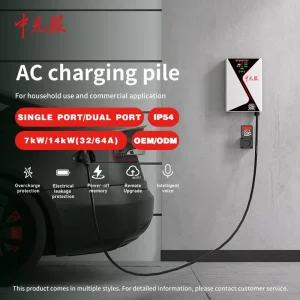
Orange Energy offers a wide range of charging options designed for various applications, including workplace charging, public stations, residential systems, and dedicated commercial fleets.
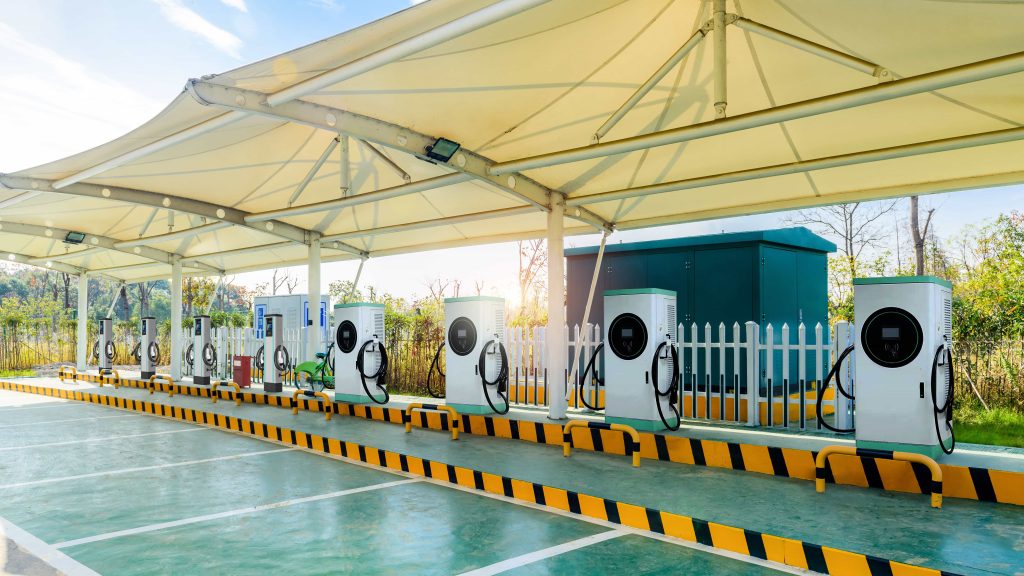
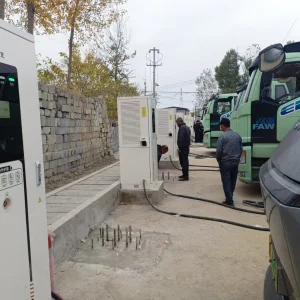
Operating corporate vehicles requires highly reliable charging infrastructure. Our dynamic software allows fleet managers to monitor individual vehicle battery states, log charging sessions, schedule charging during off-peak energy rates, and receive automated maintenance notifications.
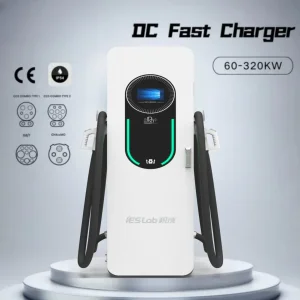
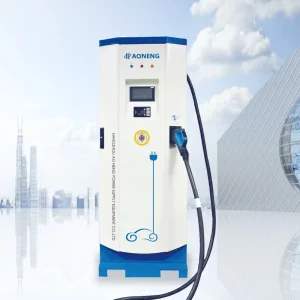
For highways and key corridors, our 180kW to 400kW ultra-fast DC systems provide rapid charging capability. These units feature liquid-cooled connectors and high-strength enclosures designed to withstand high-volume use. Integrated remote management systems notify operators of thermal limits or connector faults in real time.
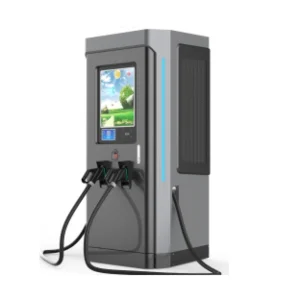
Turn destination parking spaces into profit centers. With integrated digital screens and advertising panels, operators can generate additional revenue. Remote monitoring enables dynamic pricing models, allows for guest discount codes, and tracks real-time usage data.
To maintain a competitive edge, procurement teams must understand the long-term technological trends shaping the EV market. The integration of advanced power electronics with cloud networks is transforming charging hardware into key grid-interactive assets.
The industry is transitioning away from manual RFID cards and mobile applications toward direct vehicle communication. Through the ISO 15118 standard, the charger reads the vehicle's encrypted identity upon connection, authorizing and charging the session automatically. Our remote platform allows operators to update firmware over-the-air (OTA) to support these standards.
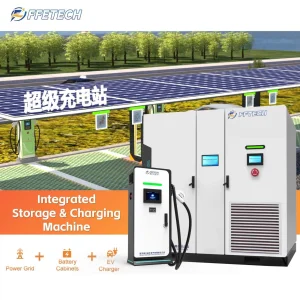
As grids face increasing capacity challenges, linking chargers directly to solar photovoltaic arrays and battery storage units is becoming standard practice. Shenzhen Orange Energy’s smart management systems balance charging output based on real-time solar generation, grid cost signals, and energy storage levels.
By analyzing historical telemetry data, cloud networks can predict when components like contactors or cooling fans are nearing their end of life. This allows technicians to replace parts proactively before a unit goes offline, reducing unexpected downtime.
When purchasing remote-monitoring charging stations, procurement professionals should evaluate hardware and software specifications against the following standards:
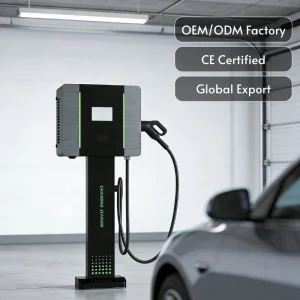
Discover our heavy-duty public commercial stations, dynamic dual-outlet wallboxes, and custom fleet charging units.
Technical and procurement answers regarding remote monitoring charging systems.
 Orange Energy